Commercial Lighting Repair in Fort Worth: The Guide to LED Troubleshooting, Maintenance Plans & Emergency Lighting
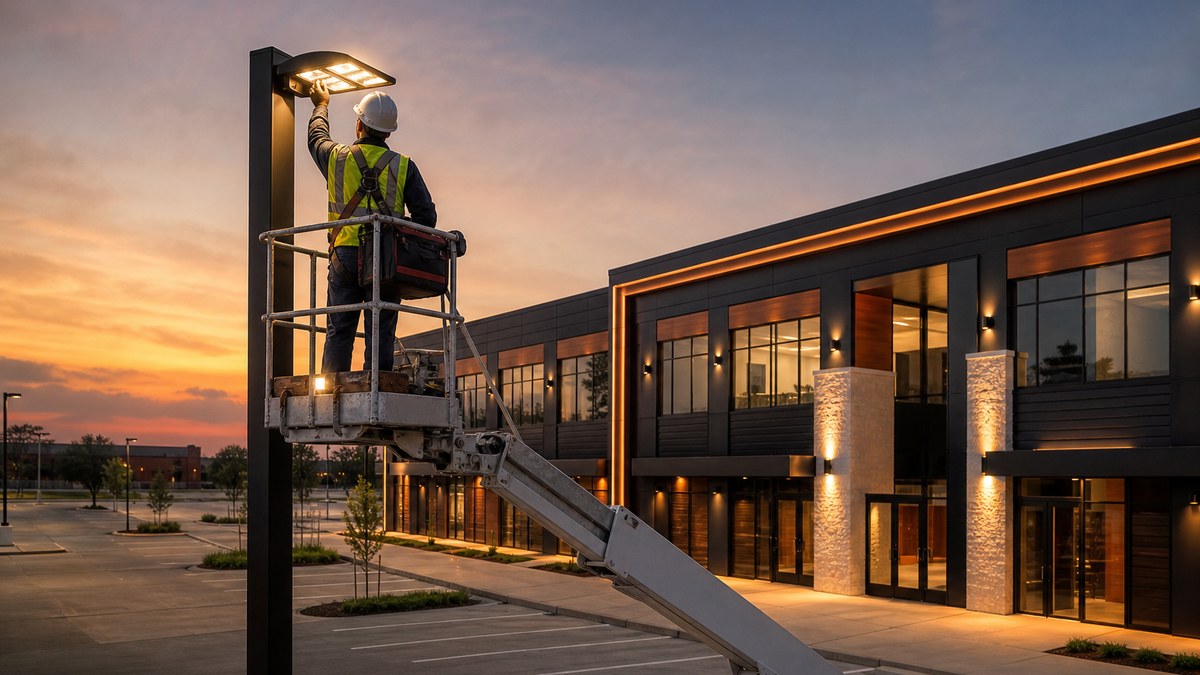
Commercial lighting repair in Fort Worth is rarely about one burned-out bulb anymore. Most buildings now run a mix of LED fixtures, older fluorescent and metal halide holdouts, sensors, timers, dimming systems and emergency battery units. When something goes dark, flickers or stays on all night, the cause can sit in the fixture, the driver, the control system or the building's power, and guessing wastes time and money.
Fort Worth LED Lights coordinates lighting repair, troubleshooting and planned maintenance for commercial properties across Fort Worth and Tarrant County: offices downtown and in Clearfork, retail and restaurants on West 7th, in the Stockyards and the Near Southside, warehouses along Alliance, I-35W and I-20, hotels, churches, parking structures and multi-tenant centers. We help property managers, facility teams and owners find the real cause, fix it with licensed installers and set up a maintenance plan so the same problem does not return.
This guide explains the most common commercial lighting failures, how LED troubleshooting works, when repair makes sense and when replacement or retrofit is the smarter move, what emergency and exit lighting testing involves, how to handle old lamps and ballasts, and what a good maintenance plan looks like for a Fort Worth property.
Good commercial lighting repair and maintenance in Fort Worth comes down to a few steps:
- Diagnose first: find out whether the fault is the LED module, the driver, the sensor or control, the wiring or the incoming power before replacing parts
- Fix patterns, not just fixtures: repeated driver failures in one area often point to heat, surges or voltage problems
- Test emergency lighting: NFPA 101 calls for a monthly 30-second test and, for battery units, an annual 90-minute test, with written records
- Decide repair vs. replace: aging fluorescent and HID systems are often better upgraded than repaired again and again
- Handle old lamps correctly: fluorescent and HID lamps are managed as universal waste under EPA rules
- Plan maintenance: scheduled walk-throughs, cleaning, control checks and records keep a property safe and consistent
- Pricing: a project-specific proposal after a site visit, never a guess
Why commercial lighting fails
LED lighting lasts far longer than the lamps it replaced, but "long life" is not "no maintenance." LED systems fail differently from fluorescent and HID lighting. Instead of a lamp simply burning out, the common problems are electronics, heat, controls and power quality.
Driver failures
The driver converts building power into the steady current the LEDs need. It is the most common point of failure in an LED fixture. Drivers can fail from heat, age, voltage swings, surges or simply being the wrong match for the fixture or dimming system. A fixture with a failed driver may go completely dark, flicker, run dim or cycle on and off.
Heat
Electronics hate heat, and Fort Worth summers are hard on fixtures in hot plenums, unconditioned warehouses, canopies, wall packs and parking lots. Fixtures installed in insulated ceilings they were not rated for, or packed into tight spaces with no airflow, tend to fail early. A pattern of failures in the same hot area is a strong clue.
Power quality and surges
A 2025 technical bulletin from the National Institutes of Health's Office of Research Facilities notes that LED brightness depends on driver current, so even small voltage changes can cause visible changes in light output. It lists voltage swells, sags, harmonic distortion, transient surges and voltage drop as disturbances that can cause driver malfunction and failure, and it recommends measures such as surge protection, power conditioning, drivers with built-in protection, correct wire sizing and keeping drivers close to their fixtures. North Texas storms and lightning make surge protection worth discussing for exterior lighting in particular.
Control and sensor problems
Many "lighting problems" are actually control problems. Lights that stay on all night, turn off while people are still in the room, refuse to dim or flicker at low levels often trace back to a sensor, a timer, a photocell, a dimmer that is not compatible with the driver, or a networked control system that was never fully commissioned. Our commercial lighting controls guide covers how these systems should work.
Wiring, connections and water
Loose connections, damaged conductors, failed splices and water getting into exterior fixtures or poles cause intermittent problems that are easy to misdiagnose. Exterior lighting in parking lots, on facades and at canopies sees the most of this.
Old lamps, ballasts and mixed systems
Buildings that still run fluorescent or metal halide lighting deal with lamp and ballast failures, color shift and slow warm-up. Federal efficiency rules have steadily narrowed which fluorescent lamps can be made and sold, so finding matching replacements is getting less convenient. Mixed systems, where some fixtures were converted with tubes or kits and others were not, can be especially confusing to troubleshoot.
| Symptom | Common causes | What we check |
|---|---|---|
| Fixture completely dark | Failed driver, tripped breaker, open circuit, failed sensor or relay | Power at the fixture, driver output, control signal, circuit history |
| Flickering | Dimmer or driver mismatch, loose connections, failing driver, voltage fluctuation | Dimming compatibility, connections, driver condition, power quality |
| Lights stay on all night | Bad photocell, timer or schedule error, sensor stuck on, override left active | Control schedules, photocell location and condition, sensor settings |
| Lights turn off while occupied | Sensor coverage gaps, wrong sensor type, short time delay | Sensor placement, technology, time-delay settings |
| Uneven color between fixtures | Mixed products or batches, aging fluorescent, different color temperatures | Fixture types, color temperature and color rendering ratings |
| Repeat failures in one area | Heat, surges, voltage problems, wrong product for the location | Ambient temperature, ratings, surge protection, circuit voltage |
| Exterior lights cycling on and off | Failing driver or lamp, water intrusion, photocell problems | Seals, gaskets, pole wiring, photocell, driver |
How LED troubleshooting actually works
The fastest way to waste a repair budget is to replace parts until the problem goes away. A good service visit follows a simple diagnostic order.
- Gather the history: which fixtures, when it started, whether it is constant or intermittent, whether it happens at certain times, after storms or when other equipment starts.
- Check power and circuits: breakers, voltage at the fixture, neutral and ground connections, and whether several fixtures on one circuit share the issue.
- Check controls: sensors, timers, photocells, dimmers, relays and any networked lighting system, including schedules and overrides.
- Check the fixture: driver output, LED module condition, connectors, heat damage, water intrusion and whether the product suits the location.
- Look for patterns: repeated failures by area, circuit, product or time of day usually point to a root cause worth fixing.
- Recommend options: repair in place, replace the driver or module, replace the fixture, or plan a broader upgrade, with the reasoning for each.
Our view: before replacing a driver, confirm it is really the driver. Many flicker and "dead fixture" calls turn out to be a dimmer mismatch, a stuck sensor or a loose connection upstream. Diagnosing first saves parts, lift time and repeat visits.
Can LED fixtures be repaired?
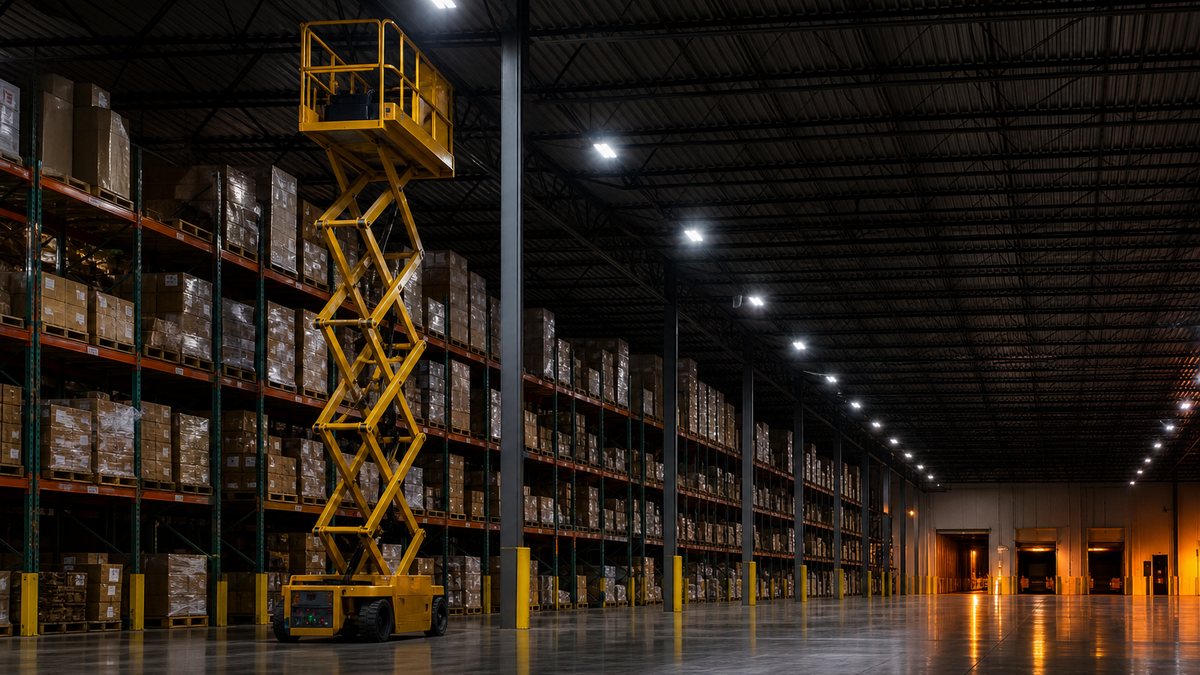
Often, yes. Many commercial LED fixtures have replaceable drivers, and some have replaceable LED boards. Whether repair makes sense depends on the fixture's age and design, whether compatible parts are still available, warranty coverage, access (a 40-foot warehouse ceiling or a tall pole costs more lift time than an office ceiling) and how many similar fixtures are likely to fail soon. Integrated fixtures with sealed or proprietary components may be better replaced.
Warranty first
Before any repair on a newer LED fixture, check whether it is still under manufacturer warranty and what the warranty requires. Some warranties require specific documentation, approved installers or returning failed parts. Keeping fixture model numbers, purchase records and installation dates organized makes warranty claims much easier.
Repair, replace or retrofit?
Every service call eventually leads to the same question: keep fixing this, or upgrade? There is no single answer, but these guidelines help.
| Situation | Usually makes sense |
|---|---|
| Newer LED fixture, isolated failure, parts available | Repair: replace the driver or module, check warranty |
| Newer LED fixtures failing repeatedly in one area | Find the root cause (heat, surges, voltage, controls) before more repairs |
| Fluorescent troffers with ballast and lamp failures | Plan an LED retrofit or new fixtures rather than repeated ballast swaps |
| Metal halide high bays or pole lights failing | LED replacement or retrofit, often with controls added |
| Fixtures discontinued or parts unavailable | Replace with a current product matched to the space |
| Space being renovated or re-leased | Coordinate lighting with the finish-out instead of patching |
When upgrading is the right answer, the U.S. Department of Energy's guidance on replacing linear fluorescent fixtures describes three main paths: LED replacement tubes, retrofit kits that reuse the existing housing, and new LED luminaires. Each has trade-offs in safety, labor, controls and long-term maintenance. Our commercial LED retrofit guide walks through them, and our LED light installation guide explains how a project runs from site walk to switch-on.
Energy codes still apply to repairs that grow
Replacing a failed part in kind is ordinary maintenance. But when a repair turns into replacing many fixtures or rewiring areas, it may count as an alteration. Fort Worth uses the 2015 IECC with local amendments (with ASHRAE 90.1 as an alternative), and altered lighting can bring controls requirements such as occupancy sensing, schedules and daylight dimming. We help you understand when a scope crosses that line and what the city may require. Work is performed by licensed electricians, who are licensed in Texas by TDLR.
Lights out, flickering or on all night?
Tell us what is happening and where. We will review the symptoms, schedule a site visit to find the real cause and prepare a project-specific proposal for the repair or upgrade.
Emergency and exit lighting: testing and records
Emergency lighting and exit signs are the part of a lighting system that matters most on the worst day, and they are easy to forget because they sit unused. Battery units age, lamps fail, and transfer equipment can stop working without anyone noticing.
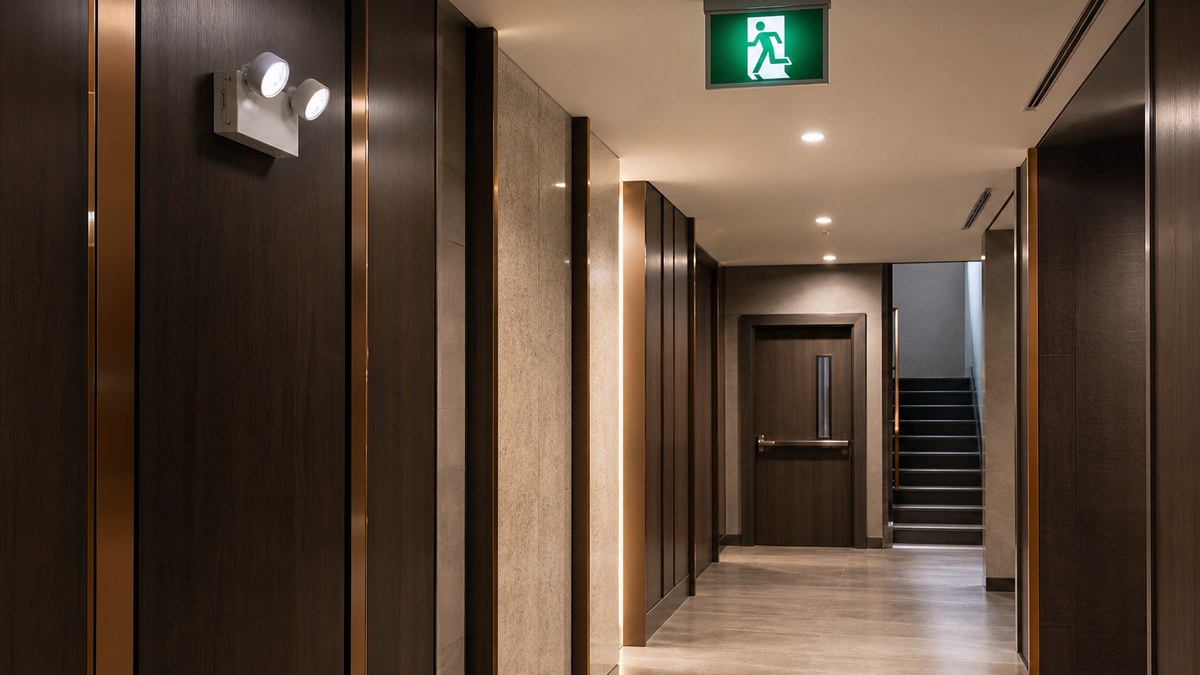
According to manufacturer code summaries of NFPA 101, the Life Safety Code, emergency lighting along the path of egress must operate for at least 90 minutes after a power loss and transfer automatically within 10 seconds. NFPA 101 calls for emergency lighting to be tested monthly for 30 seconds and, for battery-powered units, annually for the full 90 minutes, with written records of tests and inspections. The fire code, building code and NEC Article 700 also address emergency lighting. The Fort Worth Fire Department and building officials enforce the adopted codes locally, so confirm specifics for your occupancy.
What an emergency lighting check covers
- Monthly function test: each unit and exit sign operates on emergency power for the test period
- Annual full-duration test: battery units run for the full 90 minutes
- Visual inspection: lamps or LEDs working, heads aimed down the egress path, signs visible and not blocked
- Battery and charger condition: units that fail the full-duration test need batteries or replacement
- Records: dated logs showing what was tested, results and repairs made
Self-testing units
Self-diagnostic emergency fixtures test themselves on a schedule and show a fault indicator for battery, lamp or transfer problems. Industry guidance notes they still need visual inspection, but they can cut the time it takes to stay compliant. When emergency units or exit signs are being replaced anyway, self-testing models are worth considering, especially in large buildings with many units.
Exterior lighting repair: poles, wall packs, canopies & facades
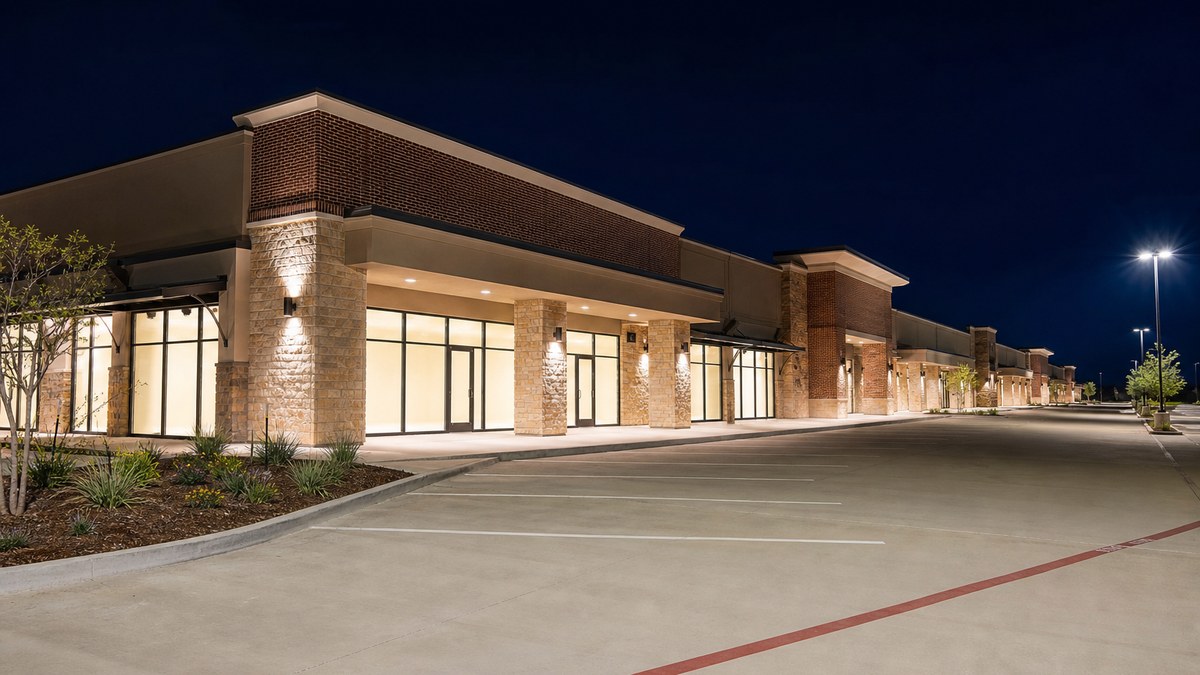
Exterior lighting takes the most abuse: heat, storms, hail, water, vehicles and vandalism. It also matters most for safety, security and how your property looks after dark.
- Parking lot pole lights: failing drivers or lamps, water in pole bases, damaged hand-hole covers, corroded connections and photocell or timer problems
- Wall packs: failed units leaving dark spots at entrances, doors and loading areas
- Canopy lights: fuel, drive-through and entrance canopies with failed or mismatched fixtures
- Facade and accent lighting: failed LED linear or flood fixtures, color drift, controller faults on color-changing systems
- Signs: failed LED modules or power supplies in channel letters and cabinets
Exterior repairs often require a lift or bucket truck, traffic control in active lots and scheduling around business hours. When many old exterior fixtures are failing, a planned upgrade usually costs less disruption than chasing failures one at a time. See our Fort Worth outdoor LED lighting guide, parking garage lighting guide and LED sign guide for more.
Old lamps, ballasts and proper disposal
Repairs and upgrades usually generate old lamps and ballasts, and they need to be handled correctly.
- Fluorescent and HID lamps: the EPA lists fluorescent, HID, mercury vapor, high pressure sodium and metal halide lamps among the lamps covered by its universal waste rules (40 CFR part 273). These streamlined rules are meant to encourage collection and recycling. Lamps must be managed to prevent breakage and releases, labeled and sent to an appropriate facility.
- Older ballasts: some older magnetic ballasts contain PCBs and require special handling. Ballasts should be checked and disposed of properly.
- Documentation: keep records of what was removed and where it went, especially on larger projects or utility-supported upgrades.
State rules can add requirements, so we confirm the right disposal path for each project.
Building a lighting maintenance plan
Reactive repair works until it doesn't: a dark parking lot after a tenant complaint, an exit sign that fails inspection or a warehouse aisle that goes dark during a shift. A simple maintenance plan prevents most of that.
What a good plan includes
- Fixture inventory: types, model numbers, locations, install dates and warranty information
- Scheduled walk-throughs: interior and exterior checks at night as well as during the day
- Control checks: schedules adjusted for daylight saving time, photocells clean and working, sensors set correctly, overrides cleared
- Emergency lighting tests: monthly and annual tests with written logs
- Cleaning: dirty lenses and reflectors, especially in warehouses, kitchens and exterior fixtures, reduce useful light
- Spare parts: a small stock of common drivers, sensors and fixtures so repairs happen faster and match the existing system
- Upgrade roadmap: a list of remaining fluorescent and HID areas and a plan to convert them on your schedule
Maintenance by property type
| Property | Maintenance priorities |
|---|---|
| Office buildings | Sensor and schedule settings, flicker complaints, consistent color, lobby and garage lighting |
| Warehouses and distribution centers | High bay drivers, aisle sensors, dock and yard lighting, cleaning in dusty areas |
| Retail and restaurants | Storefront, display and patio lighting, signs, exterior wall packs, dimming scenes |
| Hotels | Guestroom and corridor controls, facade and pool lighting, ballroom dimming |
| Churches and venues | Sanctuary dimming, stage fixtures, exterior and parking lighting |
| Parking structures and lots | Dark spots, photocells and schedules, stairwells, emergency lighting |
Industry-specific guidance is in our guides to office lighting, warehouse lighting, restaurant lighting, hotel lighting and church lighting.
Special systems: video walls, fiber optics & architectural lighting
Some lighting needs specialist service. LED video walls need module, receiving card and power supply diagnostics and careful calibration so replacement modules match. Color-changing architectural and facade lighting depends on controllers and data wiring as much as fixtures. Fiber optic lighting relies on illuminators and harnesses. Historic buildings add mounting and approval constraints. We coordinate service for these systems too; see our guides to LED video walls, architectural LED lighting, historic building lighting and PoE lighting systems.
How a repair or service project runs with us
- Tell us the problem: call or use the contact form with the symptoms, locations, fixture types if known, and photos if you have them.
- Site visit and diagnosis: we review the lighting, controls and circuits and identify likely causes.
- Options and proposal: repair, replacement or upgrade options with a project-specific proposal.
- Scheduling: work planned around your hours, tenants and operations, including after-hours where needed.
- Licensed work: repairs performed by licensed installation partners, with lifts and safety measures as required.
- Testing and handover: fixtures and controls tested, settings documented and records updated.
- Ongoing maintenance: optional scheduled walk-throughs, emergency lighting tests and an upgrade roadmap.
Fort Worth LED Lights brings 15+ years as an authorized architectural lighting dealer and project coordinator. Our licensed installation partner has completed over 200 major sports and commercial projects across the US and Canada — NFL, NBA, NHL, MLS, NCAA and NASCAR.
Can utility programs help with upgrades?
Repairs themselves usually do not qualify for incentives, but upgrading failing fluorescent or HID lighting to qualified LED products with controls may qualify for Oncor commercial energy efficiency programs, depending on program availability and requirements. Oncor programs generally require projects to be approved before work starts, so ask about incentives before old fixtures come down.
Learn more in our guides to commercial lighting design, commercial lighting in Southlake, Keller and Alliance and commercial LED lighting services, or browse our full repair and service offering and Luminance design-build program. All guides are on our blog.
Frequently Asked Questions
Why do my commercial LED lights keep failing?
Why are my LED lights flickering?
Can an LED fixture be repaired or does it need to be replaced?
How often should emergency lighting be tested?
Why do my parking lot lights stay on during the day?
Should I keep repairing fluorescent fixtures or upgrade to LED?
How do I dispose of old fluorescent tubes and HID lamps?
Do you offer lighting maintenance plans in Fort Worth?
How much does commercial lighting repair cost in Fort Worth?
Fix it right the first time
Request a service visit for lighting repair, troubleshooting, emergency lighting testing or a maintenance plan. We will find the real cause and prepare a project-specific proposal.
Related
Our DFW lighting network: Dallas commercial LED lighting, Arlington LED lighting, Irving LED lighting, Plano LED lighting, statewide Texas LED lighting, wholesale LED components, fiber optic starlight ceilings, 360° fiber optic lighting, American LED signage, modular building solutions, and Dallas modular structures.